
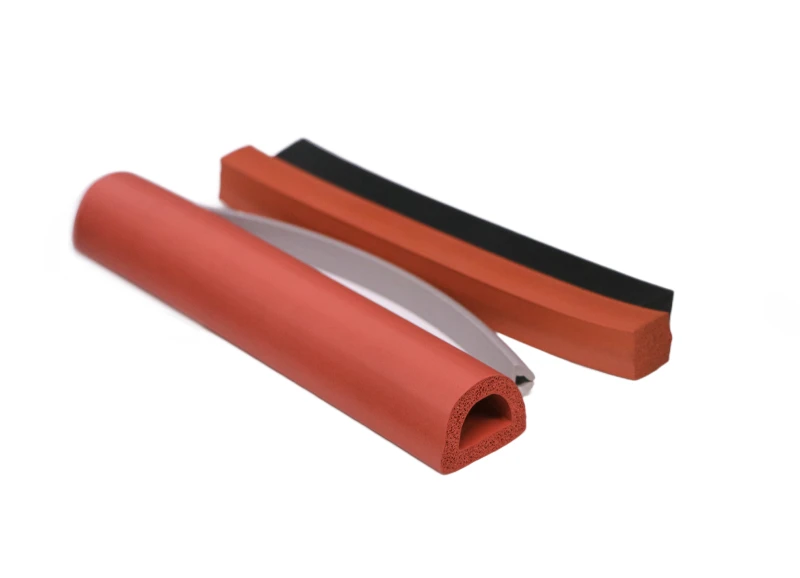
See How We Make Your Sample: From Idea to Prototype
At Mikon Materials, we know a good product starts with a good sample. You give us an idea. We turn it into real silicone material. For some complex cases with high requirements, multiple tests may sometimes be necessary, which demands close cooperation between buyers and sellers, and needs good communication, care, patient, as well as good teamwork.
Many people wonder what happens after they send us their needs. Today, we will walk you through the process. ( You can see more from our services )

Step 1: Talk and Understand What You Need
It always starts with a conversation. You tell us about your project. We don’t start production right away. Our technicians will talk with you first. We want to know not just what you want, but why you need it.
We will ask simple questions:
- What is this part for? (Sealing? Cushioning? Heat conduction?)
- What conditions will it work in? (High heat? Contact with oil?)
- Does it need to pass any tests or certifications? (Like UL94 flame resistance?)
- What properties are most important? (Softness? Strength? Durability?)
Please don’t feel annoyed by these problems. The more details we get, the fewer mistakes we make later.
Step 2: Work on the Formula, Find the Right Material
Once we understand your needs, our engineers go to the lab. Here, we turn your requirements into a specific material formula.
We start with our existing formulas. But your needs are often special. So, our experienced team will adjust the formula for you. For example, if you need higher temperature resistance, we add materials for that. If you need better heat conduction, we adjust the fillers.
We might need to try a few times. We make sure the sample material is heading in the right direction.
Step 3: Make the First Samples Carefully
After the formula is set, we start making samples. We don’t use the big production line for samples. That is wasteful. We use special small machines. They can make sheets or simple shapes.
The goal is not speed. The goal is accuracy. We need to make sure the sample we give you is the same, in its core material, as what future mass production would be.
Step 4: Test Everything, Use Data
When the sample is ready, we can’t just look at it. Every sample must pass tests in our lab. Depending on your needs, we might test:
- Hardness (Shore A or OO)
- Tensile strength and elongation
- Tear resistance
- Performance after heat aging
- Flame resistance
You will get a test report. If the data meets your requirements, you can be confident, and we are happy. Sometimes the data is not good enough. Then we go back to Step 2 and adjust the formula. Solving problems is a normal part of making prototypes.
Step 5: Send it to You, with Our Suggestions
Finally, we pack the sample and the test data for you. We will also include some suggestions, like the best temperature for pressing. This information helps you evaluate the sample. It also prepares for a smooth mass production later.
To Sum Up
In the end, our sampling process is about lowering the risk in your product development. We take it step by step. We are thorough and we work with you. We cannot promise it will be perfect on the first try. But we can promise we will work hard to solve any problems, until you get a sample that meets your needs.
Want to get started? Feel free to contact our engineers to talk about your project.